Relevance for Banking, SSC & RBI Grade B exams: Economy/Governance
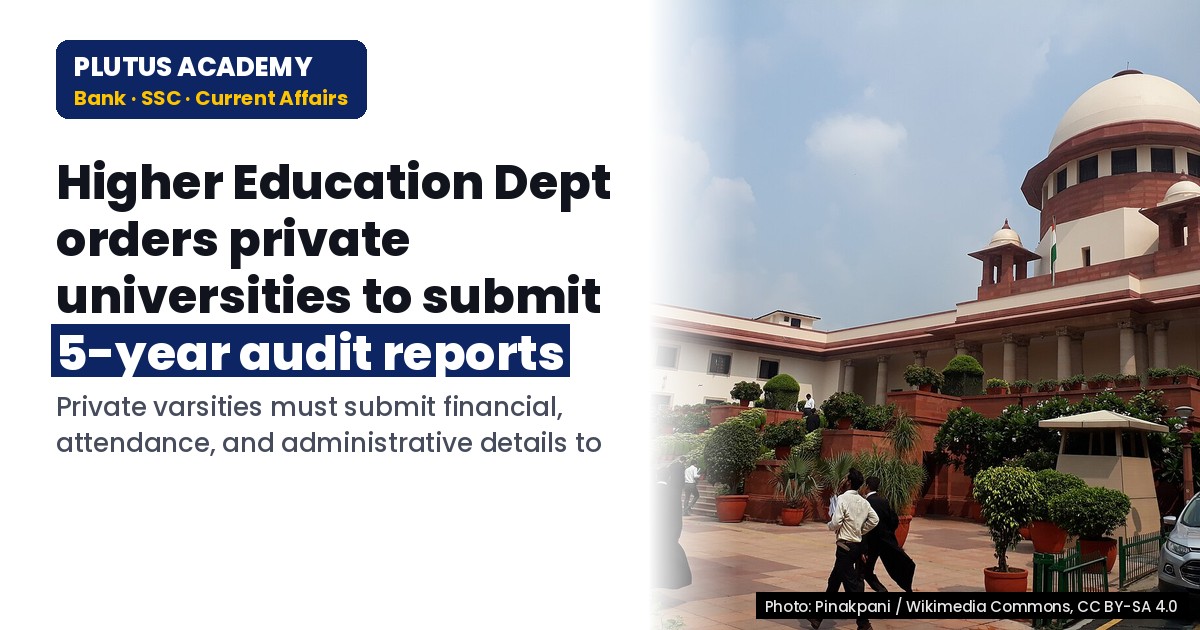
The Higher Education Department’s directive to private universities in Karnataka to submit comprehensive audit reports, financial statements, and student attendance data for the past five years—following a Supreme Court order—underscores the growing emphasis on transparency and accountability in the higher education sector. The demand for detailed records, including income tax filings, bank statements, land allotment deeds, and student-ledger data, reflects a broader regulatory push to curb financial mismanagement and ensure compliance with legal frameworks. For banking aspirants preparing for exams like SBI PO or RBI Grade B, this development highlights the importance of governance reforms in non-banking sectors, particularly in institutions handling public funds or student finances. Such cases often feature in economic and governance sections of these exams, testing candidates’ awareness of regulatory oversight and its impact on financial stability.
For SSC aspirants, the directive serves as a case study in administrative procedures and judicial interventions in governance, a recurring theme in civil services examinations. The controversy over attendance data collection—with universities questioning its feasibility—also ties into broader debates on data privacy and administrative burden, topics frequently examined in SSC’s General Studies papers. Additionally, the emphasis on financial disclosures and audit trails aligns with syllabus topics on corporate governance and financial regulations, making it a relevant current-affairs example for aspirants targeting roles in regulatory bodies or financial oversight.
Source: The Hindu
Generated by AanyaAi for educational purpose.

2 comments on “Private Universities Must Submit 5-Year Audit Reports: Higher Education Dept Order”