Relevance for Banking, SSC & RBI Grade B exams: Economy/Governance
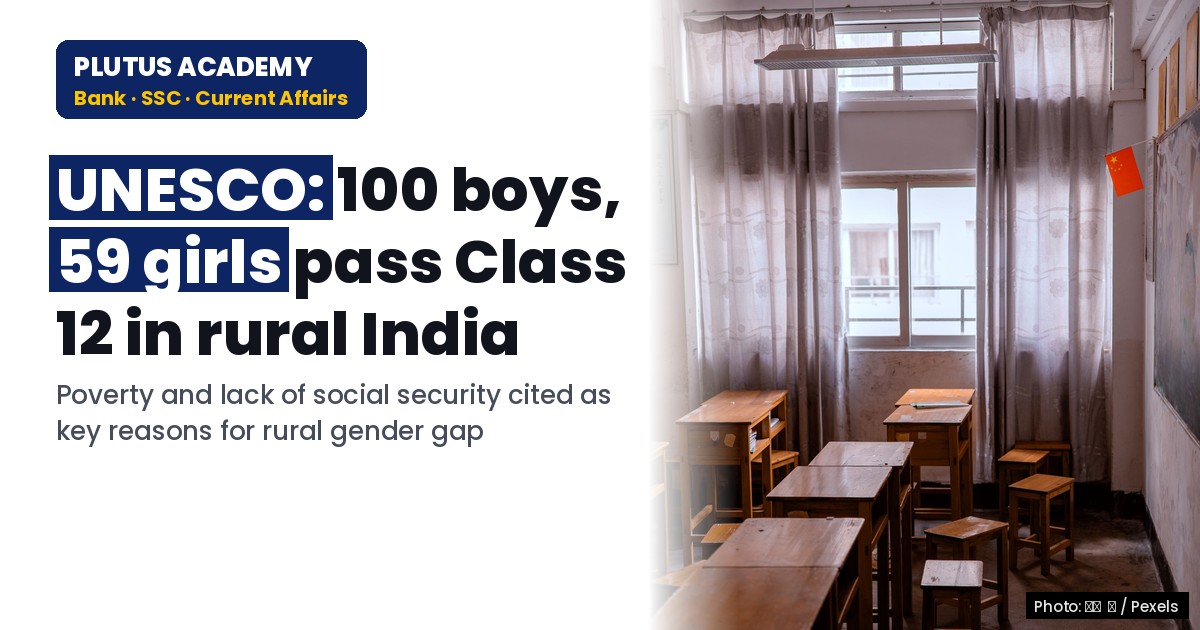
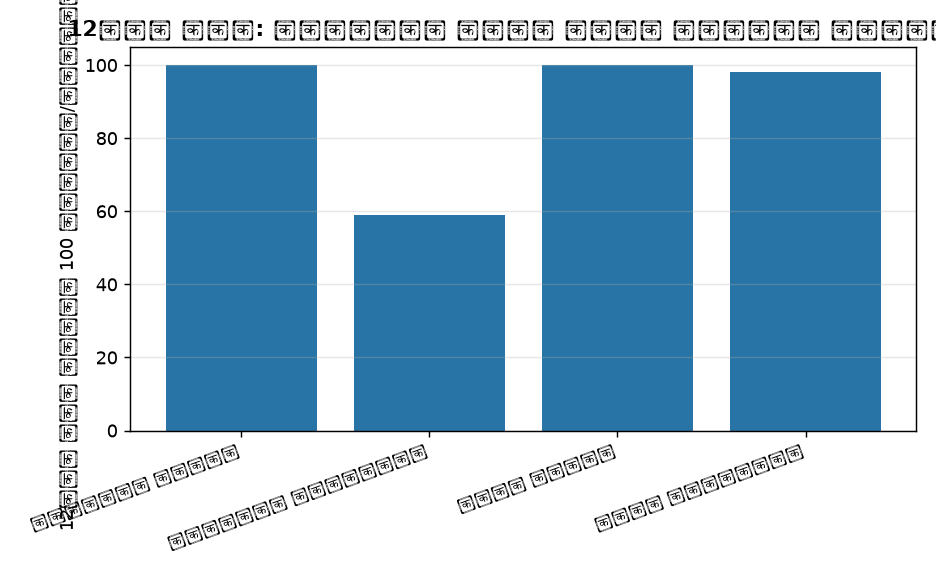
A UNESCO report has highlighted a stark gender disparity in rural India’s education system, revealing that for every 100 boys who complete Class 12, only 59 girls do so. While urban areas have nearly achieved parity, rural regions lag significantly due to systemic issues like poverty and lack of social security. The adjusted Gender Parity Index (GPI) for secondary education in India stands at 0.89, indicating that nationwide, 89 girls complete Class 12 for every 100 boys. The report also flags concerns over early school entry, with 51% of Indian children aged five enrolling directly in Class 1, bypassing foundational pre-school education, which could hinder cognitive development. UNESCO’s *Global Education Monitoring Report (GEM-2026)* praises India’s progress in reducing early gender gaps—down by 65% since 2000—but stresses the need for targeted education budgets to support marginalized groups, as only a handful of countries worldwide allocate resources specifically for disadvantaged sections.
For banking and governance exams like Bank PO, IBPS, SBI, RBI Grade B, and SSC, this report underscores critical socio-economic challenges tied to education and gender equality, directly impacting workforce participation and economic growth. Policymakers and financial institutions must prioritize inclusive education models, as highlighted by UNESCO’s emphasis on India’s “fast progress” in bridging gaps. The data also reflects broader themes relevant to exams, such as the role of government schemes in rural development, the economic implications of gender disparity, and the importance of aligning national policies like the National Education Policy 2020 with global standards. Aspirants should link these findings to broader topics like poverty alleviation, social sector spending, and sustainable development goals.
Source: amarujala.com
Generated by AanyaAi for educational purpose.
