
Relevance for Banking, SSC & RBI Grade B exams: Polity & Governance
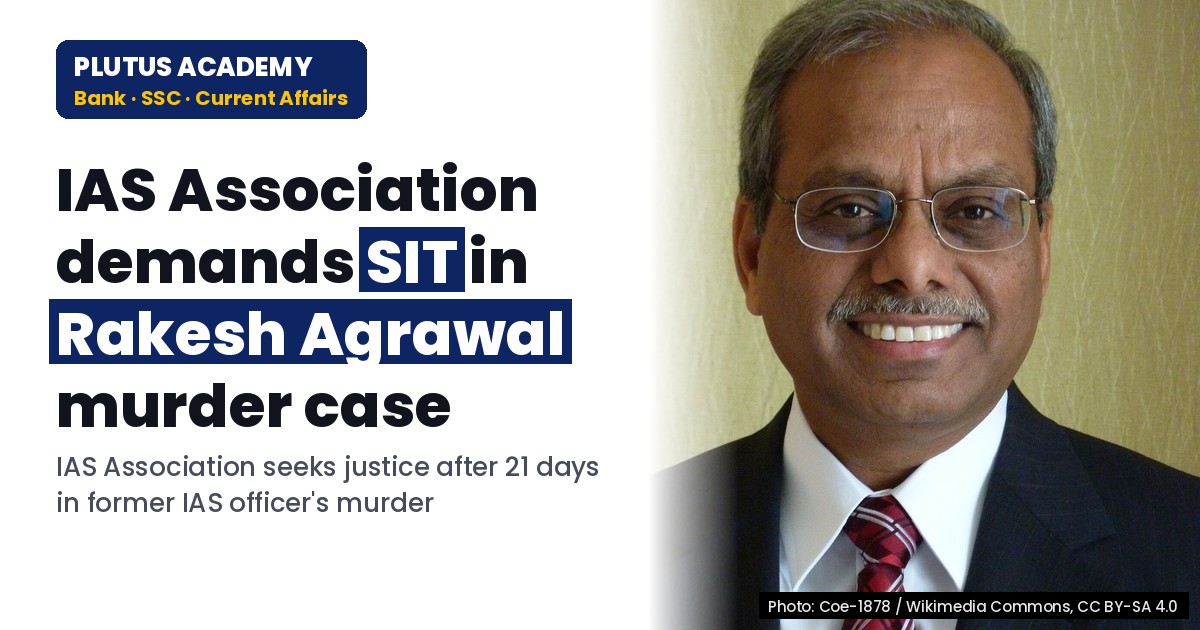
The recent intervention by the IAS Association in the murder case of former IAS officer Rakesh Agrawal highlights the growing concerns over bureaucratic accountability and governance in Madhya Pradesh. The association’s demand for an SIT to expedite the investigation reflects the erosion of public trust in law enforcement and the need for swift justice, especially in cases involving civil servants. This episode underscores the delicate balance between political leadership and administrative autonomy, a critical topic for aspirants preparing for exams like RBI Grade B and SSC, where questions on governance, judicial reforms, and institutional integrity often appear. The case also ties into broader themes of federalism and the role of civil services in policy implementation, which are frequently tested in banking exams like IBPS and SBI PO.
Additionally, the proposed hike in electricity tariffs in MP, driven by a draft regulation increasing the permissible loss margin from 14% to 24.5%, raises questions about regulatory transparency and consumer rights. Such policy shifts, which directly impact public welfare, are often framed in exam questions to assess candidates’ understanding of fiscal governance and regulatory frameworks. For SSC aspirants, this scenario is relevant to topics like economic reforms and public policy, while RBI Grade B candidates may encounter questions on monetary policy and inflation control. The intersection of politics, bureaucracy, and economic decisions in this case serves as a case study for governance-related questions in competitive exams.
Source: amarujala.com
Generated by AanyaAi for educational purpose.
