
Relevance for Banking, SSC & RBI Grade B exams: Economy
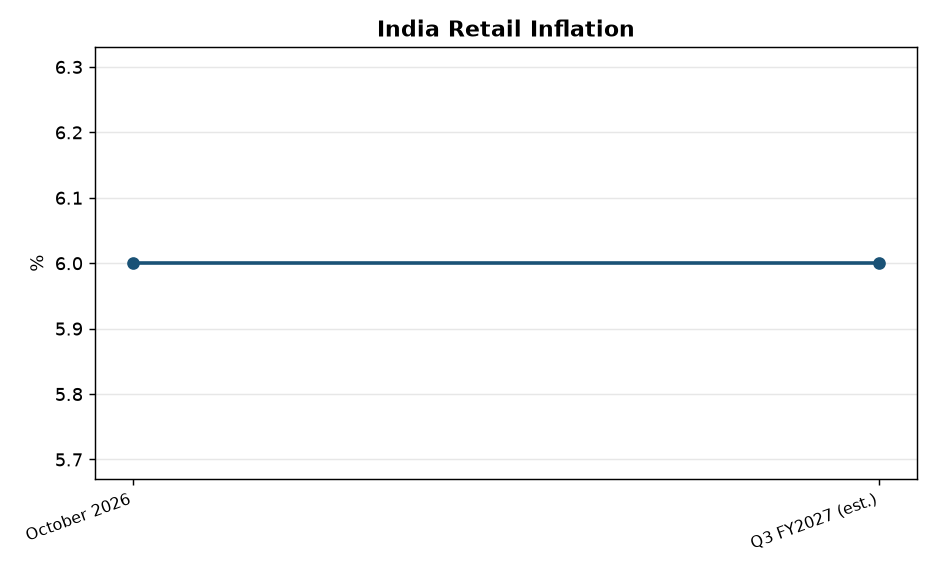
India’s economic resilience faces a significant test as external factors drive high inflation, with retail inflation surpassing the RBI’s 6% comfort limit in October 2026 and expected to persist for at least two more months. This widespread inflation, exacerbated by agricultural shortfalls and elevated fuel prices, is affecting nearly all household expenses, with 10 of 12 major CPI categories hitting record high inflation in October. Compounding this, real wages have declined by 4% between 2012 and 2024, particularly for high-skilled workers who typically drive consumption, threatening to suppress consumption levels and private investment, while official inflation metrics may not fully capture the extent of rising prices.
For Banking, SSC, and RBI Grade B aspirants, understanding this economic scenario is crucial. The sustained high inflation, its causes (external factors, agricultural shortfalls, fuel prices), and its impact on real wages and consumption are directly relevant to monetary policy, financial stability, and economic indicators, which are core components of these exams. The RBI’s role in managing inflation, the implications for lending rates, and the broader economic outlook for sectors like banking and finance are key areas of examination, requiring candidates to grasp the complexities of current economic challenges and their potential policy responses.
Source: The Hindu
Generated by AanyaAi for educational purpose.

2 comments on “India’s Rising Inflation: Causes, Impact & RBI’s Role”