✎ Startup India Seed Fund Scheme empowers youth by providing collateral-free loans and fostering innovation through updated academic curricula.
Relevance for Banking, SSC & RBI Grade B exams: Polity & Governance
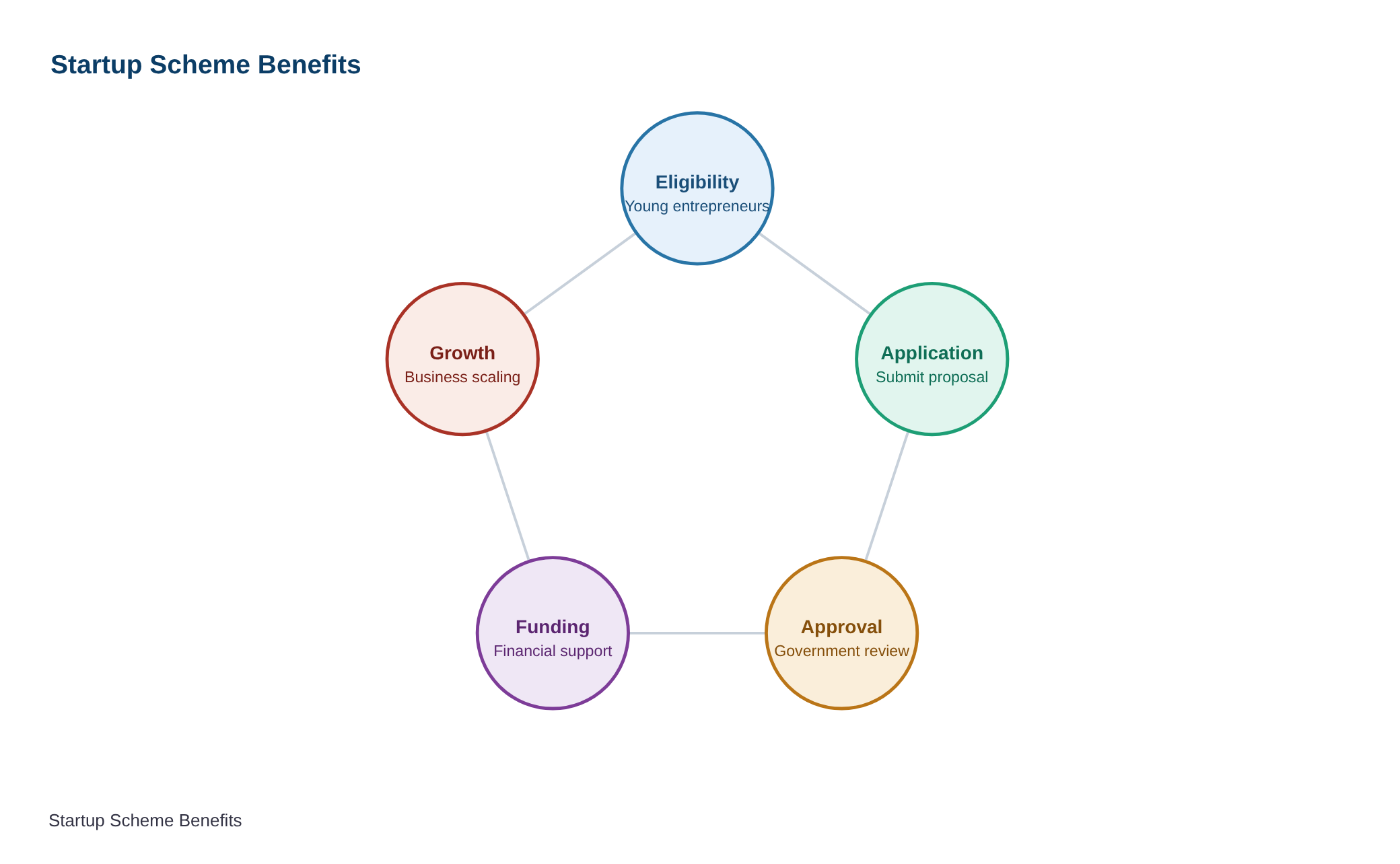
The Centre’s Startup India Seed Fund Scheme has been hailed by Confederation of Indian Industries (CII) Visakhapatnam Chairman G. Krishna Mohan as a transformative initiative for young entrepreneurs, particularly in facilitating easier access to bank loans without collateral. Speaking at the ‘Vikasit Bharat-Human Capital Conclave’ in Vizianagaram, he underscored how the scheme accelerates the launch of startups by providing early-stage funding, aligning with the government’s broader vision of fostering innovation and self-employment. For banking and financial services aspirants preparing for exams like IBPS PO, SBI Clerk, or RBI Grade B, this scheme is crucial as it highlights the role of government policies in promoting financial inclusion and credit facilitation, a key area in banking awareness sections. Additionally, the scheme’s emphasis on collateral-free loans mirrors the Reserve Bank of India’s (RBI) push for inclusive growth, making it relevant for economic and policy-related questions in competitive exams.
The scheme’s relevance extends to SSC aspirants, especially in the General Awareness section, where questions on government initiatives, startup ecosystems, and skill development are common. The discussion around aligning university curricula with technological advancements, as highlighted by K. Sambireddy, also ties into broader themes of education reform and human capital development, which are frequently tested in SSC exams. For RBI Grade B candidates, the scheme exemplifies the intersection of monetary policy, financial inclusion, and entrepreneurship, offering insights into how fiscal measures support economic mobility. The conclave’s focus on skill development further reinforces the importance of vocational training and innovation in India’s growth narrative, a topic often explored in descriptive papers and interviews for such exams.
Source: The Hindu
Generated by AanyaAi for educational purpose.
