
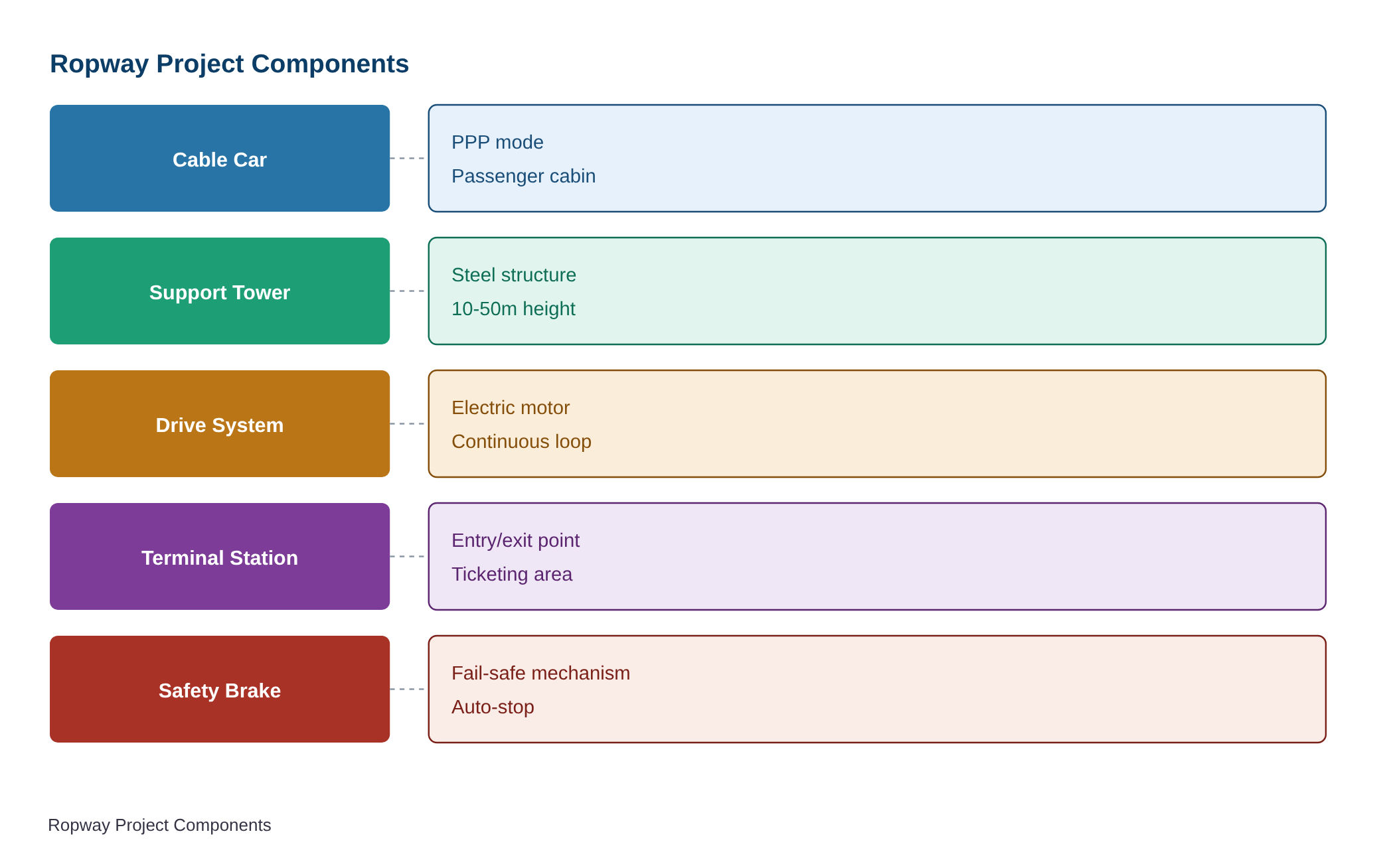
✎ Himachal to advance ropeway projects via PPP due to high construction costs.
Relevance for Banking, SSC & RBI Grade B exams: Polity & Governance
In a significant development during the Himachal Pradesh Assembly’s monsoon session, Chief Minister Sukhwinder Singh Sukhu acknowledged the financial constraints behind shelving the ambitious ₹2,700 crore Shimla Ropeway project, citing high construction costs as a major hurdle. Addressing legislators, he emphasized that the state lacks sufficient resources to fund such capital-intensive infrastructure independently, prompting the government to adopt the Public-Private Partnership (PPP) model to revive stalled ropeway projects. The shift reflects a broader trend in governance where states are leveraging private investment to bridge funding gaps in critical sectors like tourism and connectivity, aligning with the Centre’s push for infrastructure development through collaborative models.
This policy shift holds relevance for aspirants preparing for banking, SSC, and RBI Grade B exams, as it underscores the interplay between fiscal federalism and infrastructure financing. For banking exams, understanding PPP models is crucial, given their role in financing large-scale projects while sharing risks between public and private entities. SSC aspirants should note how such governance decisions impact budgetary allocations and economic planning, while RBI Grade B candidates may analyze the macroeconomic implications of leveraging private capital for public welfare, including inflation control and resource optimization. The case also highlights environmental and regulatory challenges, such as the Forest Conservation Act’s role in project delays, a topic often tested in governance sections.
Source: amarujala.com
Generated by AanyaAi for educational purpose.
