
✎ Uttarakhand’s Women Commission launched a 13-district plan to boost women’s safety and rights with new posts and honorarium hikes.
Relevance for Banking, SSC & RBI Grade B exams: Polity & Governance
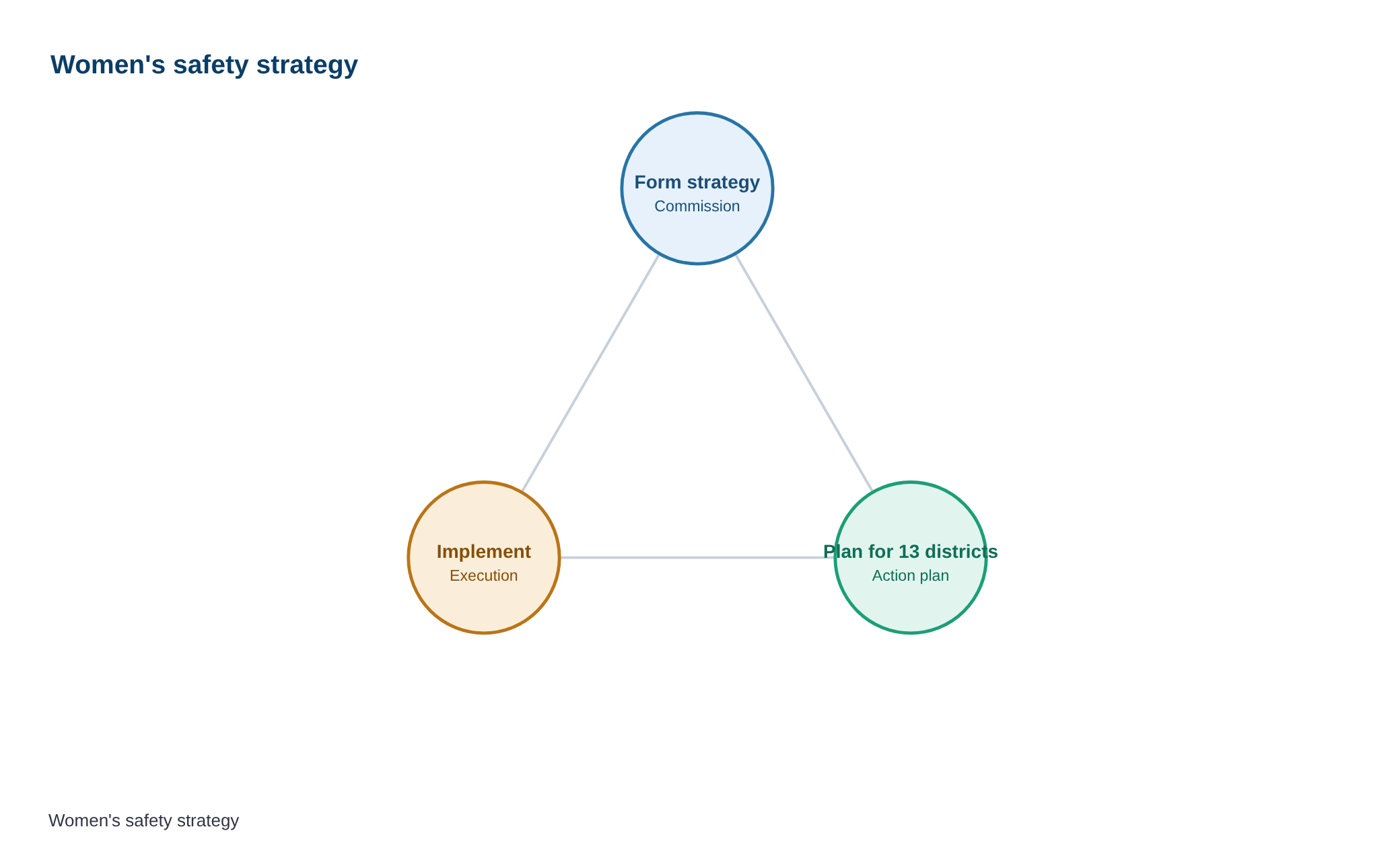
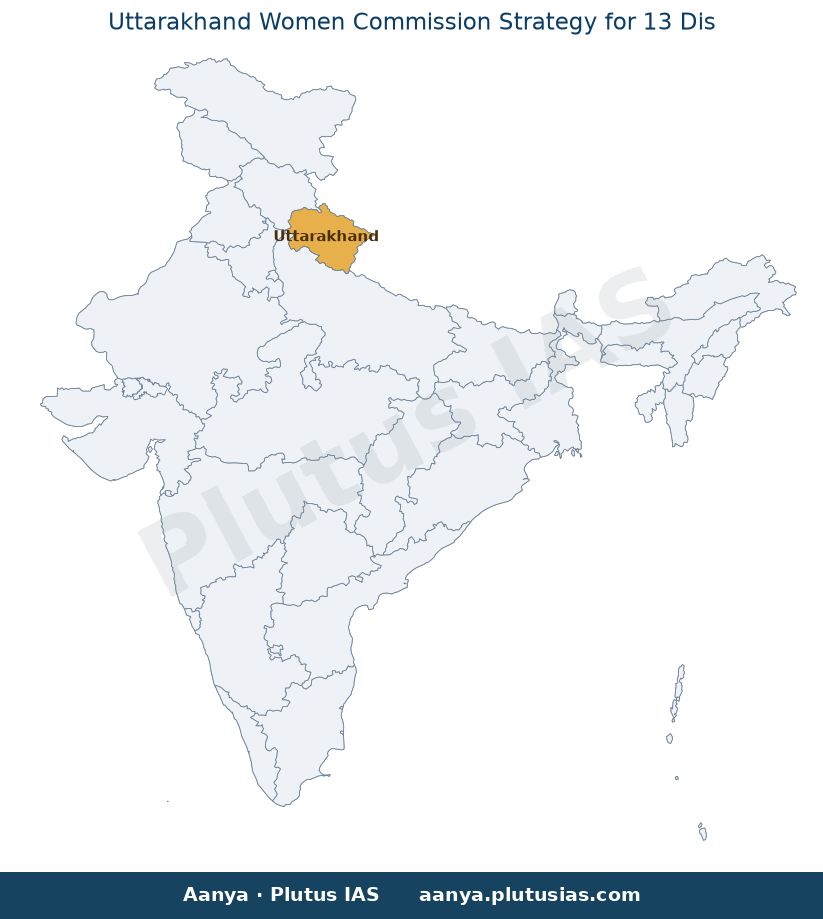
The Uttarakhand Women’s Commission has formulated a strategic action plan for women’s safety and rights protection across 13 districts, following a high-level meeting chaired by its president, Kusum Kandwal. The commission proposed key measures, including the creation of 10 new posts, an increase in members’ honorariums, and a hike in wages for sanitation workers, to strengthen institutional capacity. The plan emphasizes timely legal aid, awareness campaigns, and regular inspections of One-Stop Centres (OSCs) to address grievances effectively. The commission’s proactive approach reflects the state government’s commitment under Chief Minister Pushkar Singh Dhami to empower women, especially in remote hilly and rural areas where complaints have surged, indicating growing trust in the commission as a reliable platform for justice.
This initiative holds significance for banking, SSC, and RBI Grade B aspirants as it highlights governance frameworks, institutional mechanisms, and policy interventions—key areas often tested in competitive exams. Questions may arise on constitutional bodies, women-centric schemes (e.g., Beti Bachao Beti Padhao), or administrative reforms, tying directly to polity and governance syllabi. For banking roles, understanding such socio-legal developments aids in framing policies or CSR initiatives, while SSC exams may test awareness of state-level commissions or welfare schemes. RBI Grade B candidates could link this to gender-inclusive financial inclusion or social sector priorities in monetary policy assessments.
Source: amarujala.com
Generated by AanyaAi for educational purpose.

1 comment on “Uttarakhand Women Commission’s 13-District Safety Action Plan for Exams”