✎ विकसित भारत यंग लीडर्स 2027, नशा मुक्त अभियान और युवा कनेक्ट कार्यक्रम युवाओं को राष्ट्र निर्माण में सक्रिय भागीदारी के अवसर प्रदान करते हैं।
Relevance for Banking, SSC & RBI Grade B exams: Security
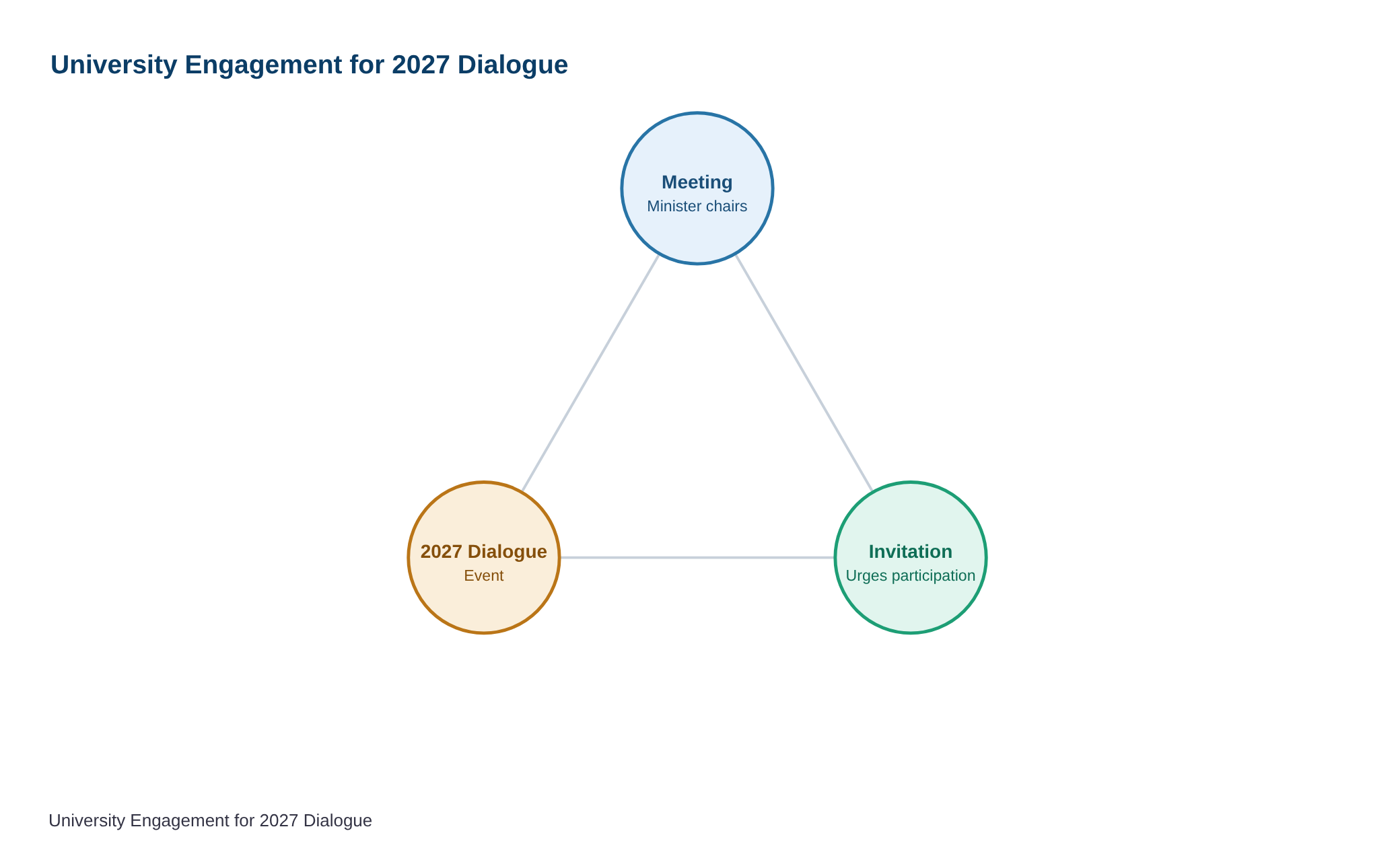
Central Youth Affairs and Sports Minister of State Raksha Khadse chaired a high-level meeting with vice-chancellors of 93 universities on 18 September 2026 to expand participation in key youth-centric initiatives—*Viksit Bharat Young Leaders Dialogue 2027*, the *Nasha-Mukti Abhiyaan* (anti-drug campaign), and the *Yuva Connect Programme*. Addressing the gathering, she underscored the collective responsibility of academic institutions in advancing the *Viksit Bharat @2047* vision, urging universities to create more opportunities for youth engagement, leadership, community outreach, and constructive dialogue. The meeting, attended by senior officials from the Ministry and representatives from 40 central, 38 state, and 13 deemed/private universities, aimed to catalyse grassroots involvement in national development through structured platforms that connect students with policymakers, experts, and national leaders.
For banking and SSC aspirants, this initiative highlights the government’s emphasis on leveraging educational institutions as catalysts for socio-economic transformation, aligning with broader themes of youth empowerment, skill development, and public-private partnerships often tested in exams. RBI Grade B candidates may note how such programmes reflect policy priorities in human capital formation and social governance, which can influence macroeconomic indicators like employment, education indices, and public health outcomes—key areas scrutinised in descriptive and analytical sections of the exam.
Source: PIB (Press Information Bureau)
Generated by AanyaAi for educational purpose.
