
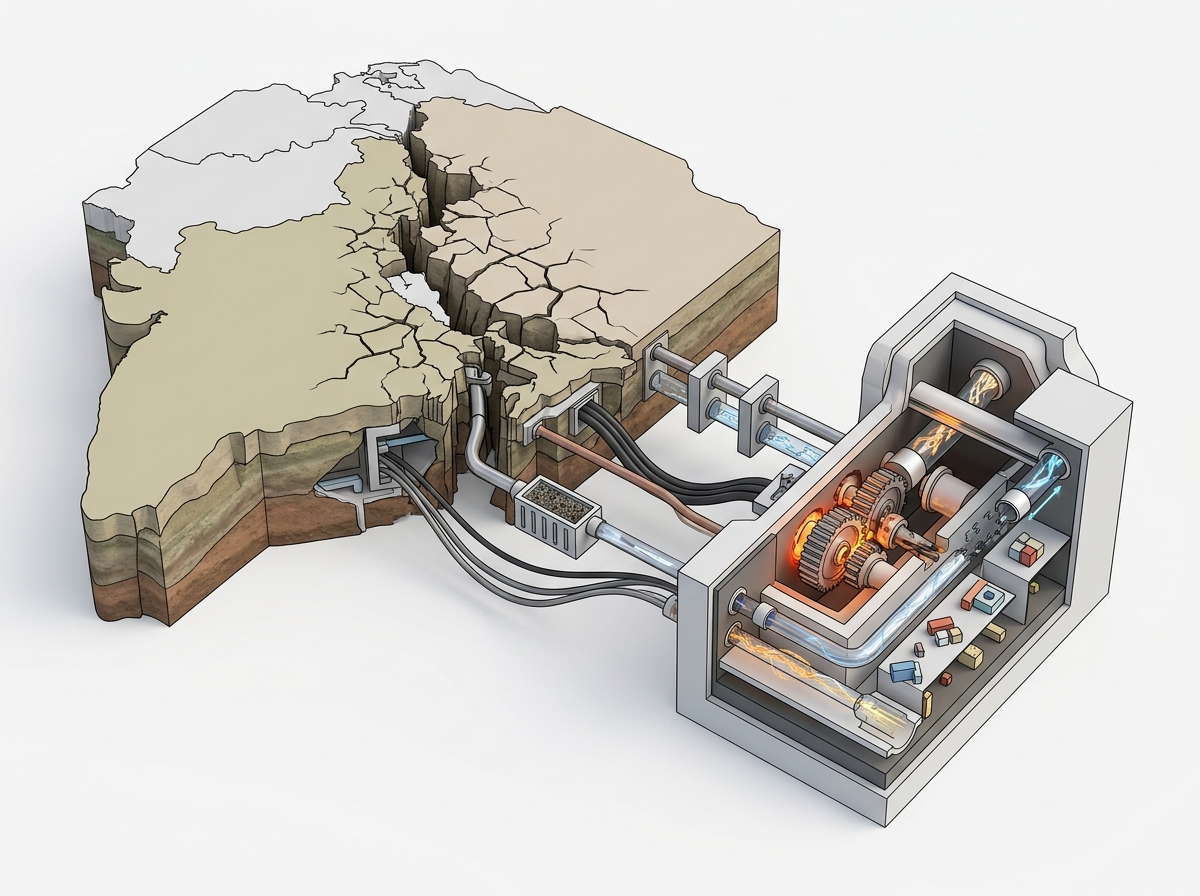
✎ India-China border stability directly influences bilateral relations and India’s stance on Arunachal Pradesh remains non-negotiable.
Relevance for Banking, SSC & RBI Grade B exams: Economy/Governance
The state of the border with China will directly influence the broader trajectory of India-China bilateral relations, as highlighted by the Ministry of External Affairs (MEA). India has underscored that maintaining peace and tranquillity along the Line of Actual Control (LAC) is critical, as any deterioration in border affairs could adversely impact overall diplomatic and economic engagements. The MEA’s rejection of China’s criticism regarding the naming of 27 locations in Arunachal Pradesh—asserting the state’s status as an “inalienable and integral” part of India—reinforces New Delhi’s firm stance on sovereignty. These developments are particularly relevant for banking and SSC aspirants, as they reflect the geopolitical risks that can influence foreign investment flows, trade policies, and economic stability, all of which are key themes in competitive exams.
For RBI Grade B and other government exam candidates, understanding the interplay between border disputes and bilateral ties is essential, as it ties into broader governance and economic governance frameworks. The recent disengagement pacts in eastern Ladakh, along with high-level diplomatic engagements like the SCO summit, demonstrate India’s efforts to stabilize relations while balancing strategic interests. Such geopolitical dynamics can impact currency markets, trade agreements, and fiscal policies, making them crucial for exam preparation. Aspirants must recognize how external affairs and border management intersect with economic policies, a recurring theme in both banking and SSC examinations.
Source: The Hindu
Generated by AanyaAi for educational purpose.
