
Relevance for Banking, SSC & RBI Grade B exams: Polity & Governance
The Karnataka government’s decision to evaluate the impact of its welfare schemes, including guarantees, through ‘Project K-Monitor’ holds significant relevance for aspirants preparing for banking, SSC, and RBI Grade B exams. This initiative aims to assess the effectiveness of government schemes by surveying beneficiaries across all Assembly constituencies, covering key sectors like healthcare, education, and agriculture. For banking exams, understanding such governance mechanisms is crucial as it reflects the government’s commitment to fiscal responsibility and targeted welfare delivery, which can influence economic policies and public expenditure management—key areas tested in exams like RBI Grade B. Similarly, SSC aspirants should note how such evaluations ensure transparency and accountability in public spending, a recurring theme in governance and polity sections.
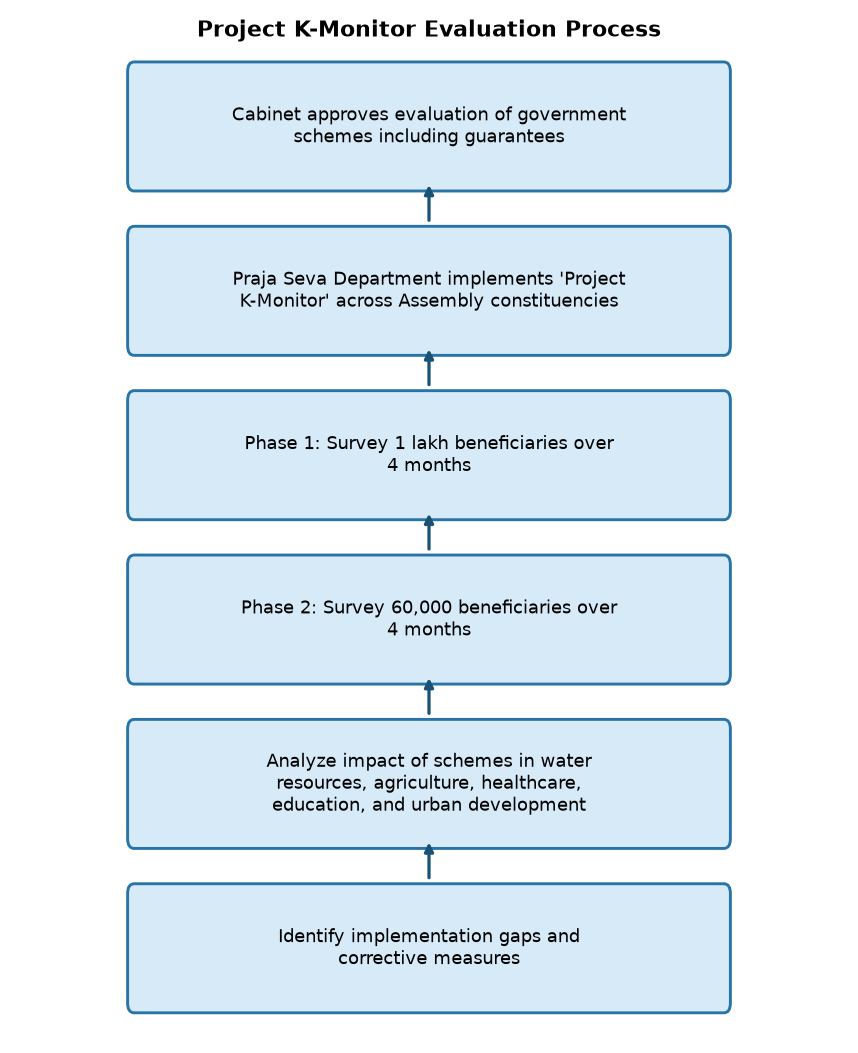
The project’s phased approach—covering 1 lakh beneficiaries in the first phase and 60,000 in the second—demonstrates a structured effort to identify implementation gaps and corrective measures, aligning with the government’s broader goals of efficient resource allocation. For banking and SSC exams, this underscores the importance of monitoring mechanisms in governance, which can be linked to questions on policy evaluation, public finance, and administrative reforms. Additionally, the establishment of the Karnataka Adivasi Development Board highlights the government’s focus on inclusive growth, a topic often examined in competitive exams to test awareness of socio-economic welfare policies. Aspirants should connect these initiatives to broader themes like sustainable development, social justice, and the role of government in addressing regional disparities.
Source: The Hindu
Generated by AanyaAi for educational purpose.
