
Relevance for Banking, SSC & RBI Grade B exams: Economy
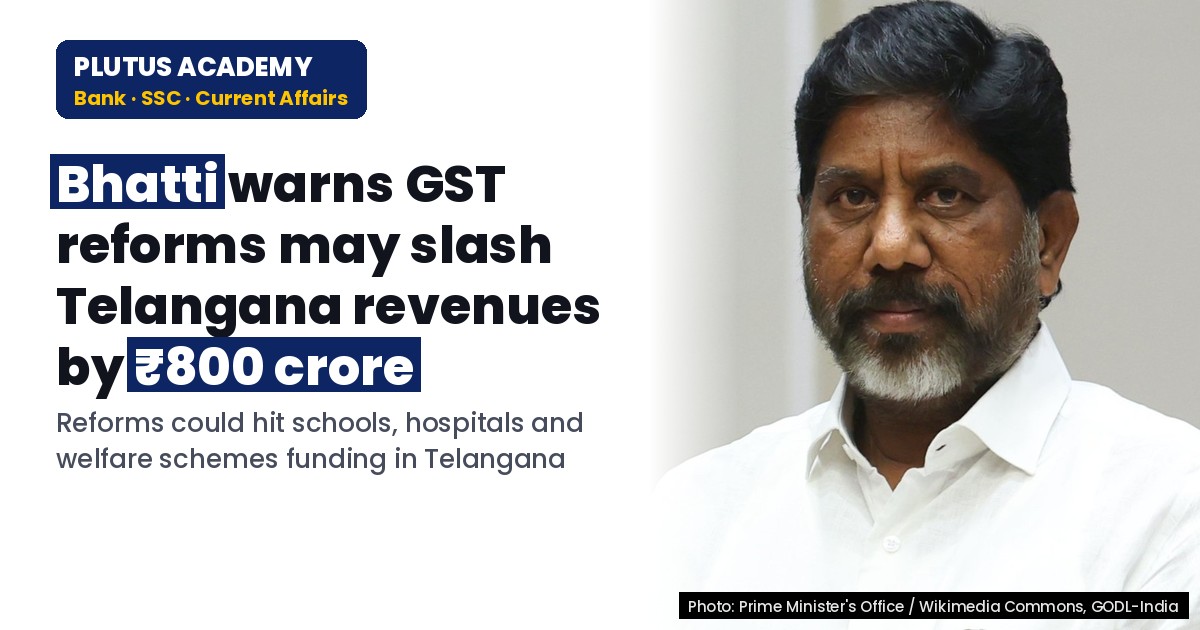
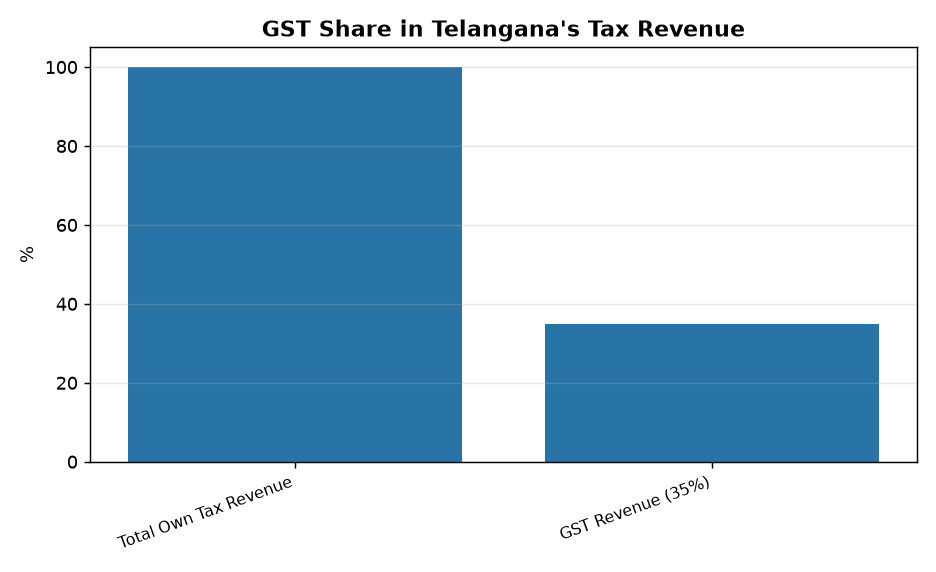
Deputy Chief Minister and Finance Minister of Telangana, Mallu Bhatti Vikramarka, has raised concerns about potential revenue losses for states due to proposed GST reforms, particularly regarding changes related to motor vehicles, which could impact Telangana’s annual revenue by over ₹800 crore. Speaking at the 57th GST Council meeting, he emphasized that GST contributes about 35% to Telangana’s own tax revenue, and any decline would directly affect critical expenditures such as schools, hospitals, welfare programs, and infrastructure. Bhatti also highlighted the need for stringent measures against tax evasion, including fake GST registrations and misuse of identity details like Aadhaar and PAN, which are often exploited to create fraudulent invoices and transfer input tax credit illegally. He proposed the formation of a Group of Ministers to address issues in the scrap sector and identity theft, alongside seeking a transparent share of Health and National Security Cesses for states to bolster public health infrastructure.
This issue holds significant relevance for Banking, SSC, and RBI Grade B aspirants, as it underscores the interplay between fiscal federalism, tax reforms, and economic governance—key topics in competitive exams. For banking exams, understanding GST’s revenue implications helps in assessing state finances and their impact on credit growth and fiscal policies. SSC aspirants should note how tax reforms and evasion affect public expenditure and infrastructure development, which are often tested in General Awareness sections. For RBI Grade B, the focus on GST reforms and their macroeconomic impact—such as revenue protection, compliance, and evasion control—aligns with monetary policy and fiscal management themes, making it crucial for aspirants preparing for economic and social development modules.
Source: The Hindu
Generated by AanyaAi for educational purpose.

2 comments on “GST Reforms: Telangana Warns Centre Over ₹800 Crore Revenue Loss Risk”