
✎ PM-SETU scheme aims to modernize ITIs through public-private collaboration for enhanced skill development.
Relevance for Banking, SSC & RBI Grade B exams: Polity & Governance
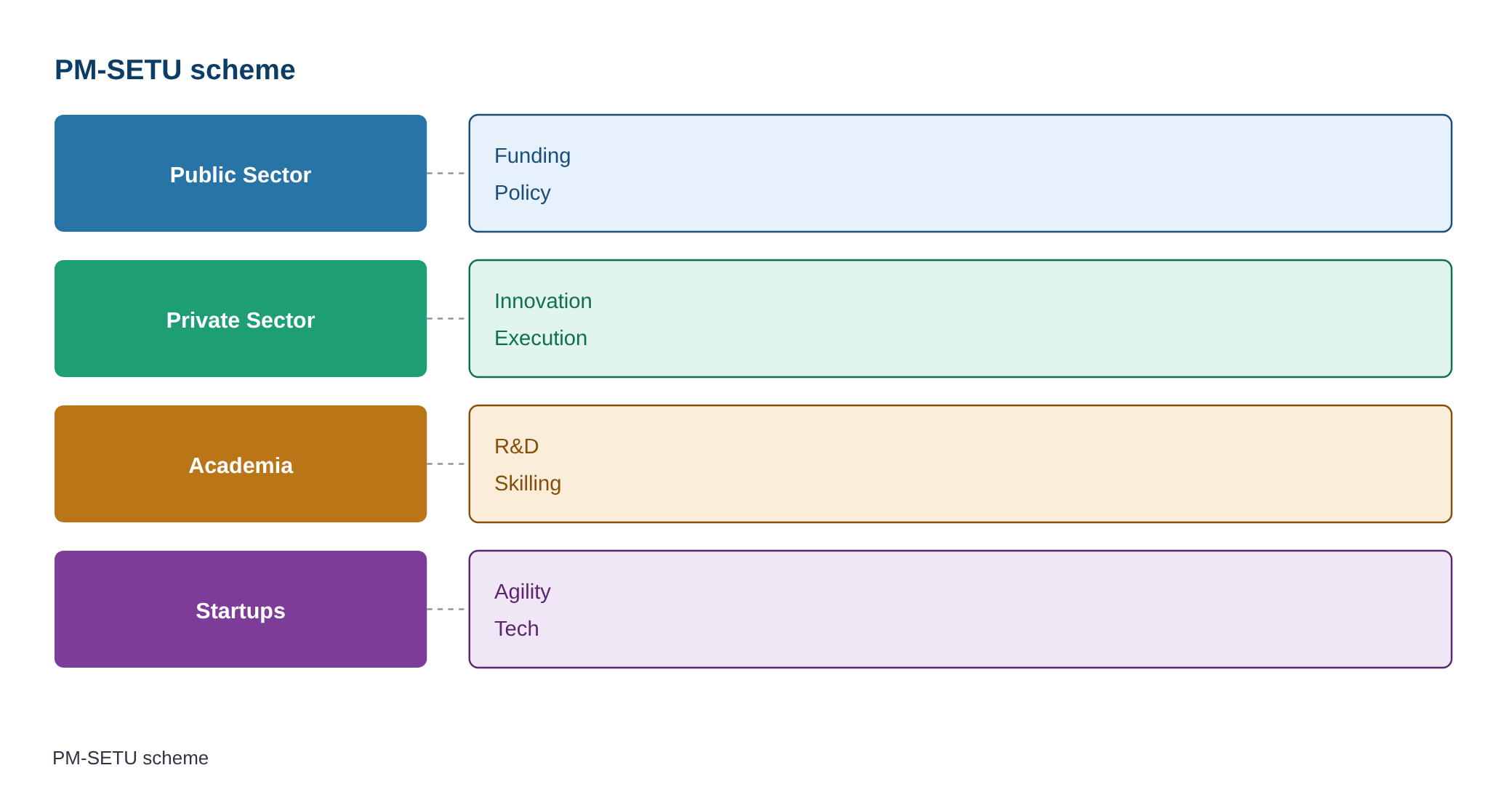
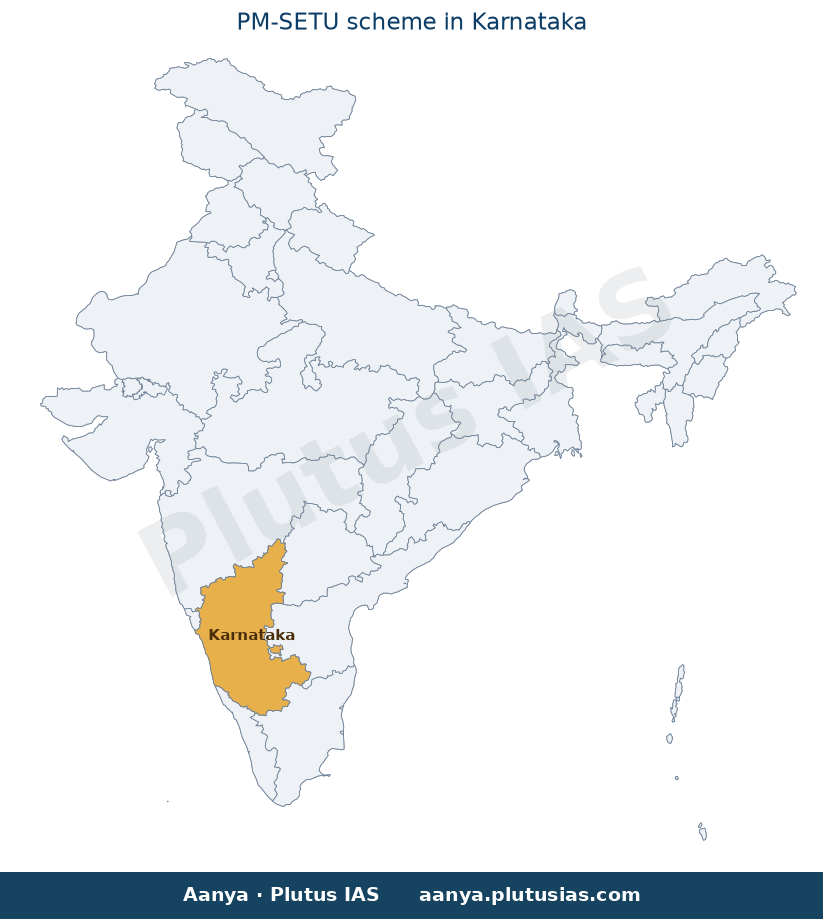
The PM-SETU scheme, a ₹60,000 crore initiative by the Union government to modernize 1,000 Industrial Training Institutes (ITIs) across India, requires active collaboration between public and private sectors for its success, as emphasized by Karnataka’s Skill Development Minister Sharan Prakash Patil. The scheme follows a hub-and-spoke model, with 12 hubs and 48 ITIs in Karnataka, where industries can adopt ITIs to align them with industry-specific skill demands. Companies with a turnover of ₹500 crore or more and over 1,000 employees can participate, contributing ₹31 crore to the scheme, while the Union and State governments allocate ₹112 crore and ₹98 crore respectively. This partnership enables industries to shape curriculum and training programs, ensuring a skilled workforce aligned with market needs.
For banking and SSC aspirants, understanding the PM-SETU scheme’s structure and funding model is crucial, as it reflects government initiatives in skill development and employment generation, often tested in exams. RBI Grade B candidates should note the scheme’s financial allocation and public-private partnership (PPP) framework, which highlights the role of institutions like Special Purpose Vehicles (SPVs) in governance, a key topic in economic and financial governance sections. The scheme’s emphasis on industry-led skill development also underscores the importance of vocational training in India’s employment landscape, a recurring theme in current affairs for competitive exams.
Source: The Hindu
Generated by AanyaAi for educational purpose.

1 comment on “PM-SETU Scheme: Public-Private Partnership Key for ITI Upgrades & Skill Development”