
✎ RBI's October 2026 rate hike was driven by rising upside inflation risks due to elevated crude prices ($88-93/bbl) amid West Asia conflict and resilient domestic demand.
Relevance for Banking, SSC & RBI Grade B exams: Economy
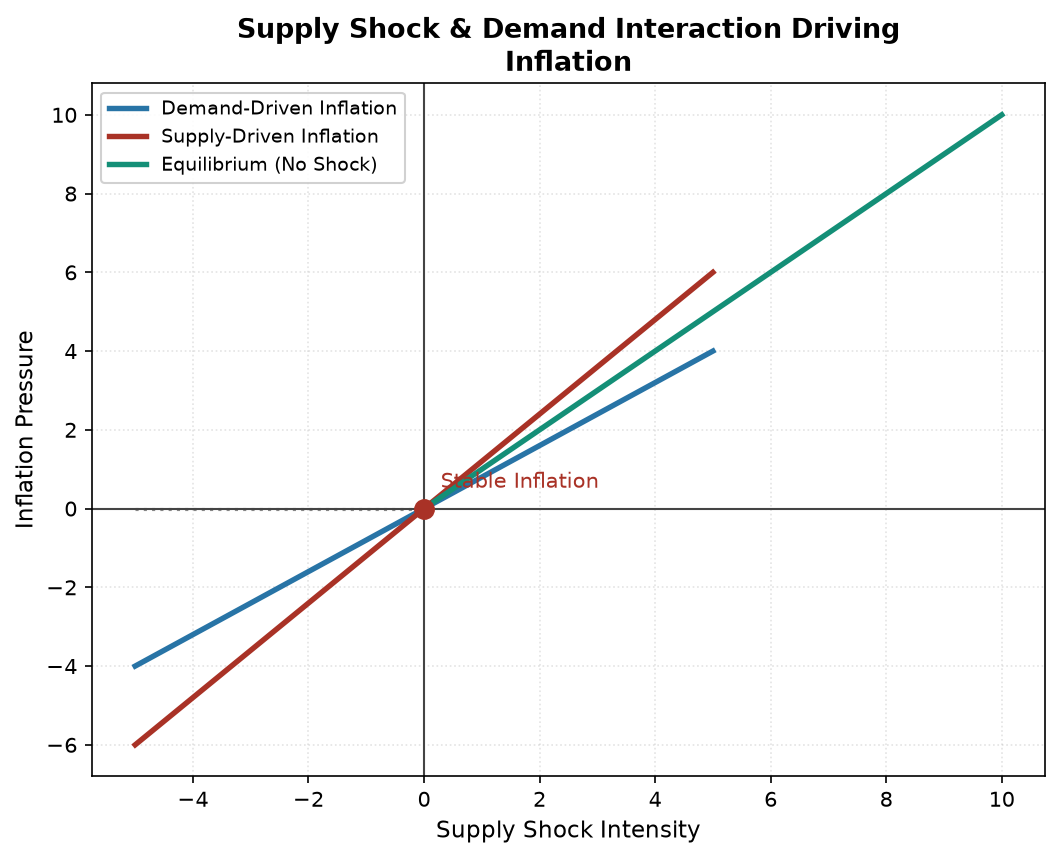
The Reserve Bank of India’s (RBI) recent decision to raise interest rates in its October policy review underscores its primary mandate of ensuring price stability, even as the economy remains resilient. The Monetary Policy Committee (MPC) has recalibrated its stance amid a confluence of domestic and global factors, with inflation risks shifting from being largely supply-driven to increasingly broad-based. The persistence of geopolitical tensions in West Asia has kept crude oil prices elevated, with the Indian crude basket now expected to average $88-93 per barrel this fiscal, up from the earlier estimate of $82-87. This, combined with a deficient monsoon—rainfall 13% below the long-period average—and disruptions in global food supply chains, particularly for edible oils, has intensified inflationary pressures. The RBI’s move reflects its cautious approach to prevent a second-round impact on inflation, where supply shocks could feed into broader price pressures, especially as core inflation shows early signs of broadening beyond food and fuel.
For aspirants preparing for banking and government exams like Bank PO, IBPS, SBI, RBI Grade B, and SSC, this development highlights the critical role of monetary policy in managing inflation dynamics. The RBI’s focus on safeguarding price stability is particularly relevant for understanding how central banks balance growth and inflation objectives. The interplay between supply-side shocks (like oil prices and food inflation) and strong domestic demand, as seen in the upward revision of GDP growth to 7.1%, is a key theme that could appear in exam questions on macroeconomic policy. Additionally, the role of global factors—such as rising bond yields in advanced economies and El Niño-induced weather disruptions—demonstrates the interconnectedness of domestic and international economic conditions, a concept often tested in these examinations.
Source: The Indian Express
Generated by AanyaAi for educational purpose.
